
Top 10 Most Underrated Fruits And Vegetables
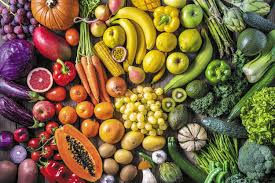
Whenever you eat any fruits or vegetables, not only do you get a good tasting treat, but you also help your body as well. Fresh produce can give a variety of helpful vitamins and minerals that humans need to survive. Some of the most beneficial, however, aren’t as popular as they should be. These fruits and vegetables both taste great and strengthen the body, despite them not being as known. Knowing this, here are the 10 most beneficial yet unnoticed plants for your body.
10. Figs
Figs have been somewhat recognizable based on their historical use of being used in pastries and health. However, as medicine grew and fruits became sweeter due to genetic breeding, figs faded into irrelevancy, only used by those who know its benefits: its fiber, calcium, and potassium make it great for gut clearances and blood regulation.
9. Cabbage
Cabbage, as of 2026, has been labeled to be a “superfood”, containing an extraordinary amount of minerals. They have, but are not limited to:
Fiber
Vitamin K
Vitamin C
Folate
And while other vegetables may also have these nutrients, cabbage has an extremely low calorie content, with its water content being much lower than a large percentage of other fruits or vegetables.
8. Peas
Contrary to popular belief, these plants are not technically a vegetable, but rather a legume, being a seed rather than a full vegetable. This means that peas have much more protein than certain vegetables, making it an amazing source of vegetarian protein due to its easy digestion.
7. Kiwi
While it is more popular than other vegetation on this list, it often gets overshadowed by more popular fruits. It does have many nutrients that can help with certain health problems, however, such as blood pressure, heart disease, and certain types of cancer due to its antioxidants. Kiwis are also extremely sweet, making it a good choice for a casual snack.
6. Prunes
Also known as dried plums, prunes have been known for its strong fiber content, completely eliminating all symptoms of low to mild constipation. Prunes contain sorbitol, a sugar alcohol that massively speeds up digestion and release of waste. This makes it known for being a kind of “natural laxative”, but not for its other qualities such as taste.
5. Celery
Celery is sometimes looked at as a bitter, distasteful vegetable many individuals despise due to its grassy taste when eaten raw. However, celery has great potential when used correctly or when understanding its health benefits. Its nutrients, which include Vitamin C and Beta carotene, help to reduce blood vessel inflammation, which decreases swelling and/or pain. Its bitter taste also disappears when cooked or boiled, making it a good choice for vegetable dinners.
4. Barley
Barley is known as a cereal grain, which are classified as dried fruits. It is mainly used to make certain types of alcohol, so people usually ignore its other uses. Despite this, it has a large arrangement of health benefits, from low cholesterol, stabilizing blood sugar, and fiber intake.
3. Persimmons
Persimmons may seem like knock-off tomatoes at first, but take a bite and you’ll see that they’re vastly different. For one, persimmons have hints of apricot and cinnamon compared to the tomato’s normal taste. Secondly, they are extremely rich in Vitamin A, a nutrient known to support the health of the eyes.
2. Lentils
Being another legume, lentils are great sources of fiber, protein, and other minerals essential for daily life. It excels in Vitamin B, magnesium, potassium, and calcium. Lentils can also be a strong alternative of nutrients for vegetarians against meat, with lentils’ calories being 25% iron and protein.
1. Watercress
Watercress is mainly known as a herb used alongside other vegetables, but not many people know about its sole strength: Vitamins. Its low calorie content yet high vitamin spread makes it extremely versatile for diets and health. Just one serving of watercress (around 34 grams) can produce a daily dosage of Vitamin K, if not more. This is one of the healthiest, yet unpopular vegetables.


